


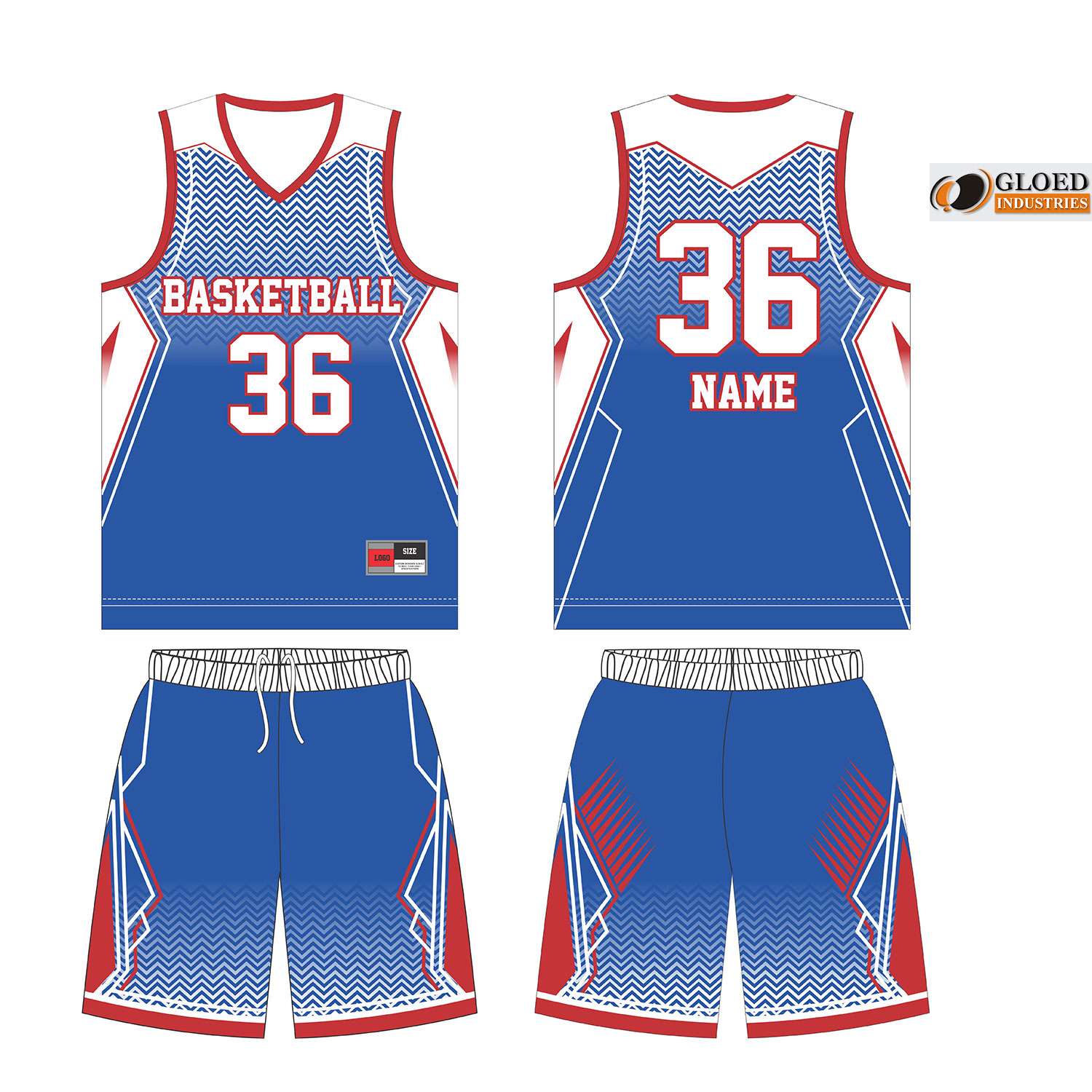
Basketball uniforms have transformed remarkably through the years – from modest wool tunics and trunks to sleek, high-performance athletic apparel. Discover the storied evolution of basketball kits from their early beginnings to the customized designs that power teams today.
Basketball Uniforms of the Early 1900s
The first basketball uniforms balanced modesty and function.
Heavyweight Wool Tunics and Bloomers
Early uniforms featured long wool tops and bloomers providing coverage. Plain and buttoned up by necessity.
Uniforms Focused on Coverage
Modesty was paramount. Style and team branding hadn’t entered the sport yet.
Limited Color Palettes
Neutral dark tones hid sweat stains. Vibrant team colors and logos came decades later.
Plain and Unadorned
No numbers, lettering, or graphics appeared on these practical garments.
Plus Long Stockings and Lace Boots
Thick wool stockings and sturdy boots finished the covered ensemble.
The 30s Bring Lighter Fabrics and Streamlined Shapes
As modesty standards relaxed, uniforms reflected subtler, lighter designs.
Lighter Fabrics Emerge
Stiff wool gave way to looser cotton and rayon blends for increased comfort.
Silhouettes Hint at Shape
Pleating, waistband details and separate blouses created subtle shaping.
Rising Hemlines
Hems gradually rose as modesty barriers lowered, hitting just below the knee.
Numbering Introduced
Simple numbering tied into rising sports fandom and identified athletes.
Calf-length socks and Sneakers
Footwear shifted to shorter socks and new canvas sneakers.
Bold, Customized Style Takes Off
Today’s basketball kits blend athletic performance, customization, and personal style. Compare your uniforms through the decades and see how far they’ve come!
FAQs:
Q: When did vibrant team colors and logos first appear on basketball uniforms?
A: They emerged in the 1960s/70s as custom athletic apparel began.
Q: How did modesty influence early basketball uniform development?
A: With high necks, long sleeves, and skirts to cover the limbs and torso.
Q: When were numbers first added to basketball uniforms?
A: Simple numbering appeared in the 1930s as team fandom grew.
Q: How have fabrics evolved over time?
A: From heavy wool to breathable moisture-wicking athletic knits.
Q: What drove shifts to today’s customized athletic uniform styles?
A: New fabrics, demand for comfort/performance, and individual expression.

Reviews
There are no reviews yet.