


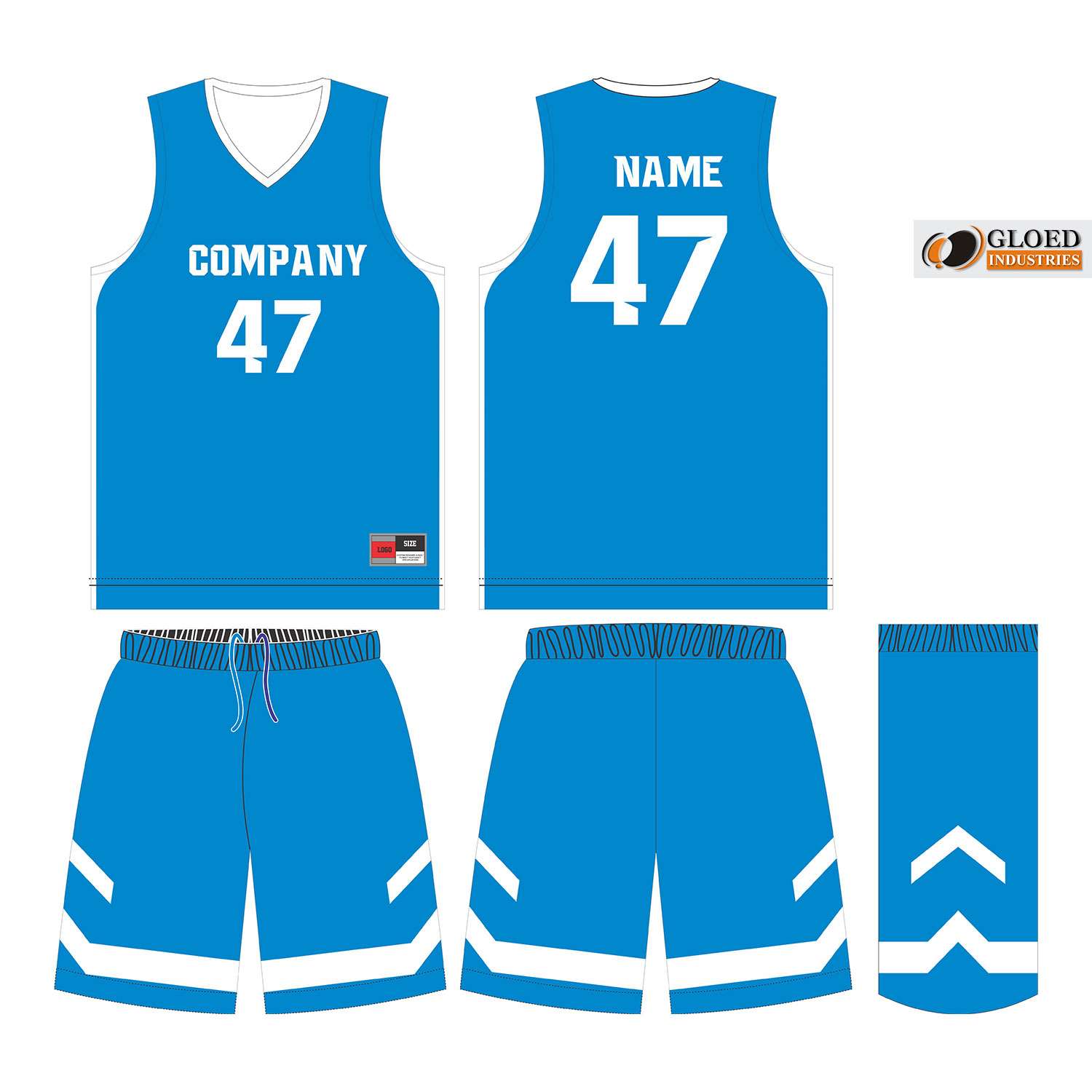
Basketball uniforms have undergone an incredible evolution from their modest beginnings to the sleek, high-performance outfits worn by teams today. Discover the storied history and design journey of basketball kits over the decades.
Early 1900s Uniforms Focused on Coverage
The first basketball uniforms featured full-coverage tops and bloomers to maintain modesty standards. Dark wool provided opacity.
Looser Tunics Emerged in the 1930s
As modesty relaxed, necklines lowered, sleeves shortened, and silhouettes loosened for mobility.
Numbers and Team Names Added in the Late 1930s
Identifying details like numbers and logos appeared as fan interest grew.
Shorts Lengthen in the 1940s and 1950s
Hemlines dropped back towards the knee as uniform lengths swung.
Bold Branding took off in the 1960s and 1970s
Vibrant custom team colors, logos, and details came into vogue.
Moisture-Wicking Fabrics Arrive in the 1970s and 1980s
Synthetic, sweat-wicking fabrics revolutionized comfort and performance.
Greater Personalization Emerged in the 1990s and 2000s
Player names, nicknames, and unique design flourishes gain popularity.
Cutting-Edge Fabrics and Technology Today
Modern uniforms feature advanced lightweight fabrics and temperature regulation.
The evolution continues – inspire your custom uniforms from basketball history today!
Frequently Asked Questions
Q: How did early basketball uniforms address modesty?
A: With high necks, long sleeves, and skirts covering limbs and torso.
Q: When did vibrant team colors and logos first emerge?
A: In the late 1960s and 1970s custom athletic apparel grew.
Q: How have fabrics changed over time?
A: From wool to moisture-wicking synthetics for comfort and performance.
Q: When were numbers first added to uniforms?
A: In the late 1930s fan interest and sports branding increased.
Q: What drove shifts to today’s customized styles?
A: Fabric innovation, the desire for expression, and emphasis on performance.

Reviews
There are no reviews yet.