

The History of Women’s Basketball Uniforms: Evolution of Style from Bloomers to Bold Designs
Trace women’s basketball uniforms from the practical wool bloomer suits of the past to the customized high-performance athletic kits that power women hoop stars today.

Description
Women’s basketball uniforms have transformed dramatically from the modest bloomer sets of the late 1800s to the sleek, high-performance kits of today. Discover the storied history and evolution of fabrics, fit and style in women’s basketball apparel.
Women’s Basketball Attire of the Late 1800s
The first women’s basketball uniforms were practical for both sport and 19th-century sensibilities.
Heavy Wool Gym Suits
Early uniforms featured long wool tunics over equally modest bloomer pants. Long sleeves, high necks, and floor-length skirts provided coverage.
Focus on Function Over Fashion
Outfits were designed first for modesty and second for mobility. Style and branding hadn’t entered the game yet.
Limited Color Palette
Uniforms came in basic dark or neutral tones like black, brown, navy blue, or grey to hide sweat stains. No vibrant team colors yet.
Plain and Buttoned Up
No graphics, numbers, or flair. Embellished decorations were decades away, although button accents trimmed some tunics.
Plus Long Stockings and Laced Boots
Completing the head-to-toe coverage were thick wool stockings and sturdy lace-up boots.
1930s Leap Into Lighter Fabrics and Streamlined Silhouettes
As etiquette modernized, 30s uniforms reflected changing standards with lighter fabrics and hints of shape.
Lighter Gym Suit Fabrics Emerge
Looser tunics and bloomers remained but lighter cotton blends replaced stiff wool.
Hints of Waist Definition
Pleating, waistband detailing, and separate blouses subtly defined the waist compared to previous column styles.
Uniforms Gradual Get Shorter
Hems slowly rose to below the knee by the mid-30s as modesty barriers lowered.
Numbering Uniforms Introduced
Simple numeric team identifiers on front and back tied into rising sports fandom.
Calf-length socks and Laceless Sneakers
Footwear shifts to shorter socks and new laceless canvas sneakers for play.
Bold Styling Takes Off in the 1970s
The no-nonsense past gave way to hot pants, dazzle, and bold color statements.
Shorter Shorts Grab Headlines
In 1971, hot pants and mini skirts tested old modesty notions entering the mainstream.
Bold Team Colors Make Statements
Vibrant, saturated primary team colors became the norm versus neutral tones of the past.
Metallic Details Grab Attention
Reflective dazzle inserts and metallic stripe accents brought flash.
Cool New Fabrics Introduced
Nylon, polyester, and athletic knits replaced cotton for a lighter feel and sweat-wicking comfort.
Fashion and Function Integrate
Style and performance now share the court as athletic wear meets popular trends.
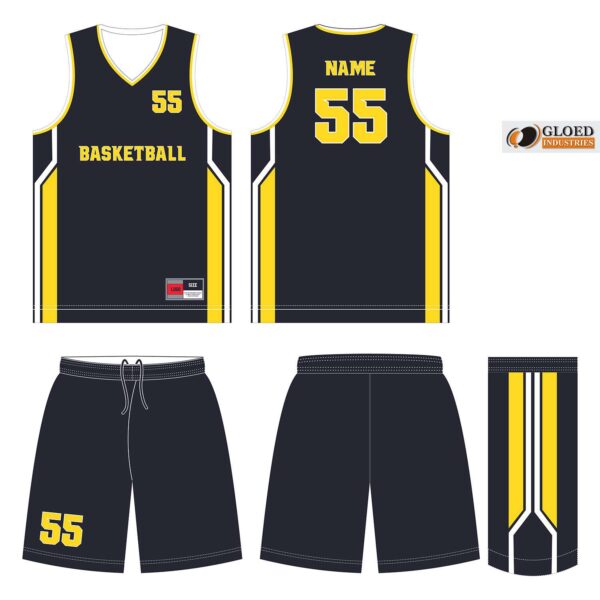
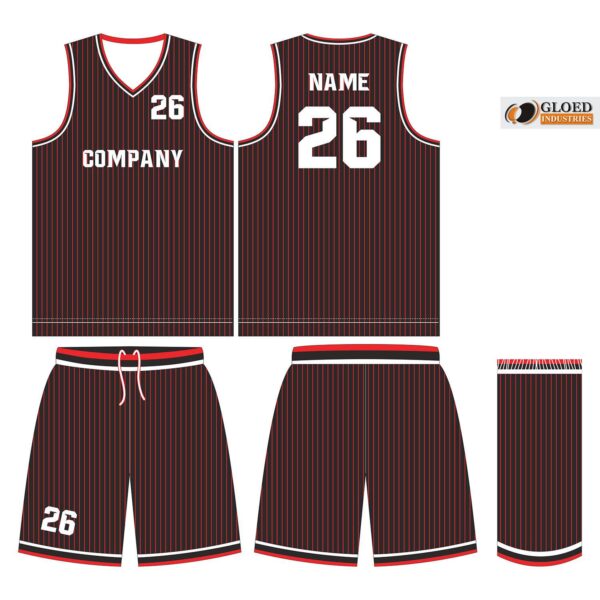
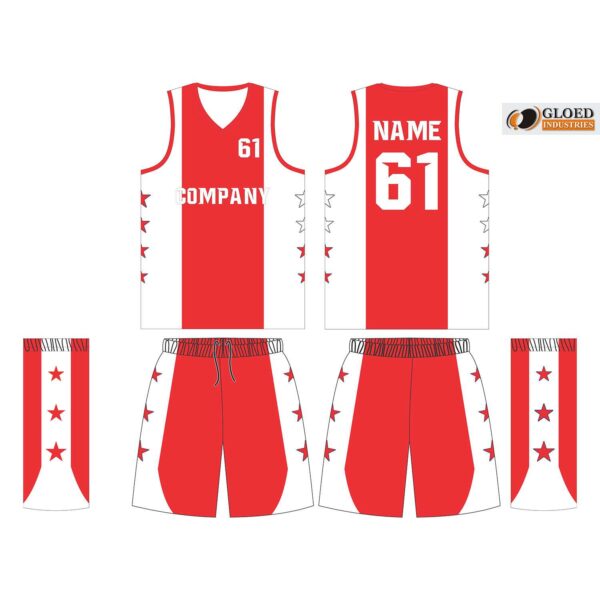
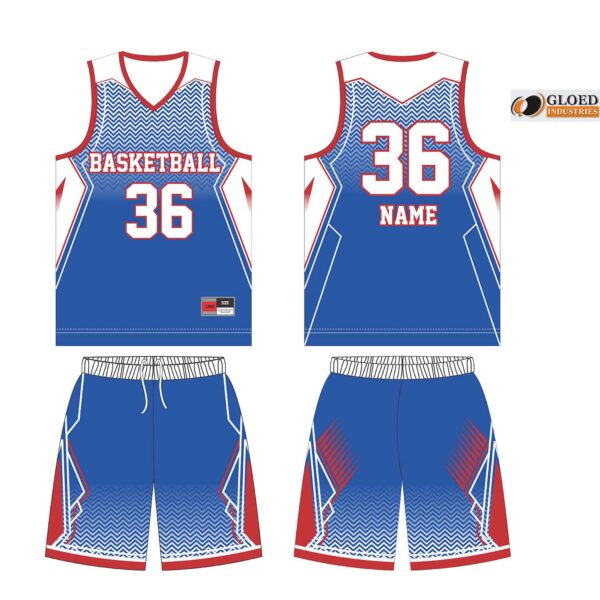
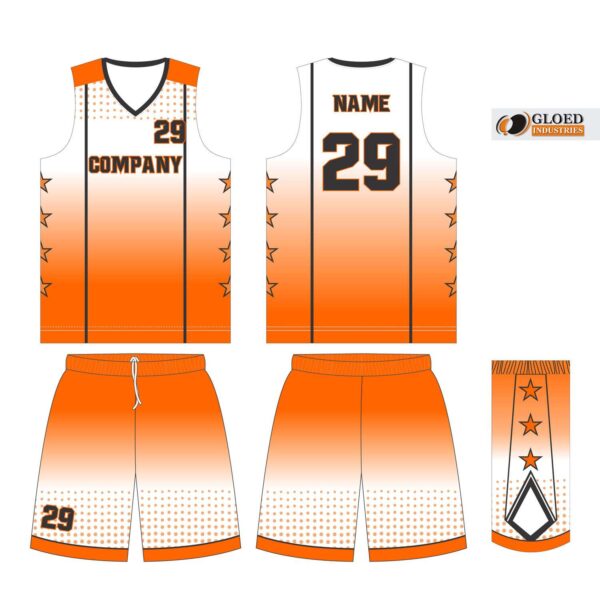
Today women athletes don bold high-performance basketball uniforms customized in limitless ways to best showcase skills, talent, and personal style on the court.
Compare your team’s kits to those of the past – how far uniforms have come to power today’s women’s basketball!
FAQs:
Q: When did women’s basketball uniforms first feature numbers?
A: Simple numeric identifiers were introduced in the 1930s.
Q: How did modesty influence early women’s basketball uniforms?
A: With high necks, long sleeves, full skirts, and stockings for coverage.
Q: When did short shorts enter women’s basketball uniforms?
A: Shorter hot pants arrived in the early 1970s reflecting popular fashion trends.
Q: What fabrication changes happened throughout history?
A: Shifts from wool to cotton to athletic knits like nylon and polyester.
Q: How did uniforms evolve to showcase women’s basketball skills?
A: With innovative fabrics, bold colors/accents, and cuts tailored for athletic performance.


Reviews
There are no reviews yet.